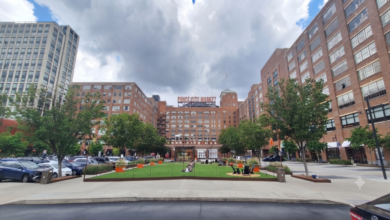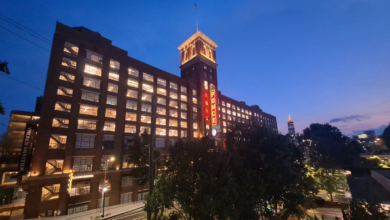


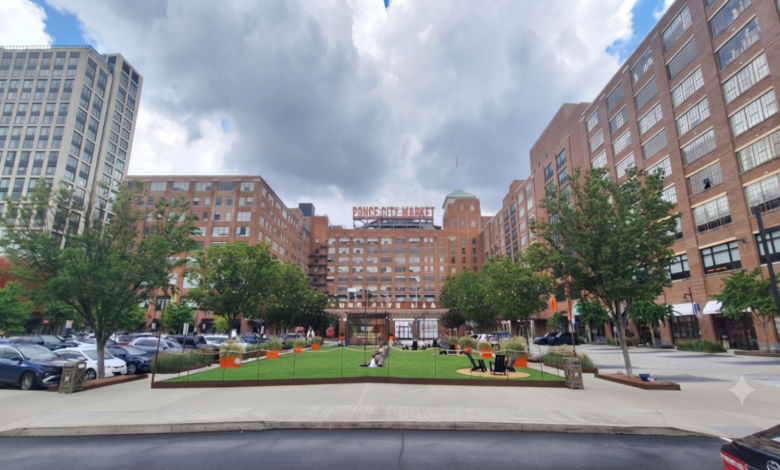
Explore the residential spaces breathing human life back into the historic Atlanta Sears building.
As the historic 1926 Sears, Roebuck & Co. building enters its second century, its transformation from a bustling industrial distribution hub into a thriving residential community stands as a masterclass in adaptive reuse. While the upper floors once housed inventory, offices, and mail-order sorting operations, today they provide homes for thousands of residents.
Part 2 of our centennial series examines the distinct residential offerings that have breathed modern human life back into the property:
- Flats at Ponce: Located in the historic upper floors of the main building, these loft-style apartment homes preserve the structure’s industrial character. Exposed brick walls, massive steel-framed windows, and soaring original ceilings frame modern urban living spaces that connect residents directly to the building’s century-old legacy.
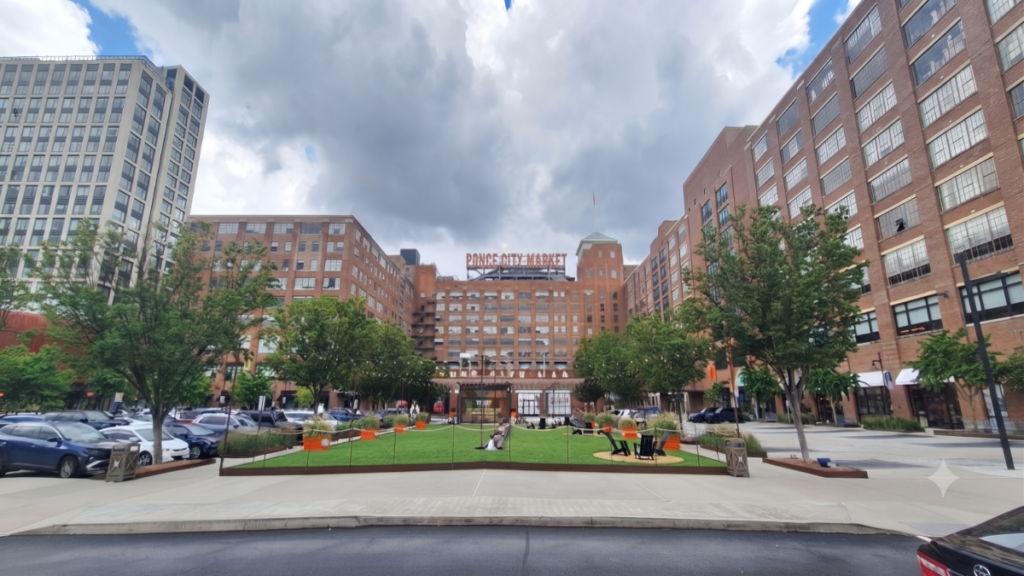
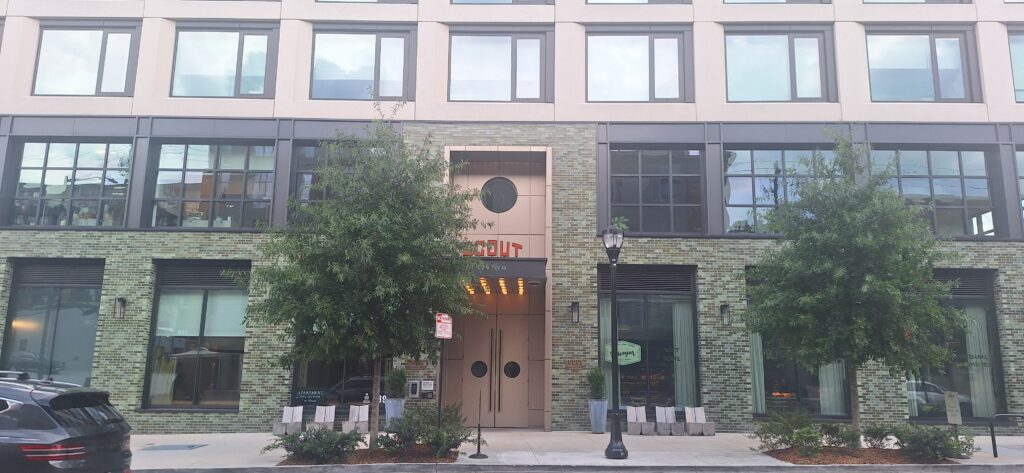
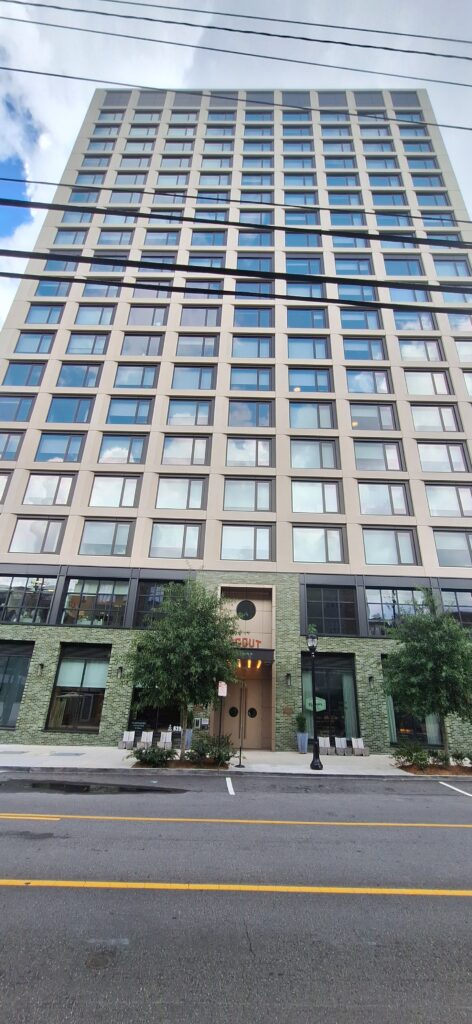
- Scout Living: Operating as a flexible-stay hospitality and co-living concept across 21 stories, Scout Living introduces fully furnished micro-apartments and suites tailored for modern professionals, remote workers, and digital nomads. Residents enjoy custom layouts featuring galley kitchens, in-unit laundry, and access to dynamic shared amenities—including a rooftop pool, co-working spaces, and communal kitchens with expansive views of the Atlanta skyline.
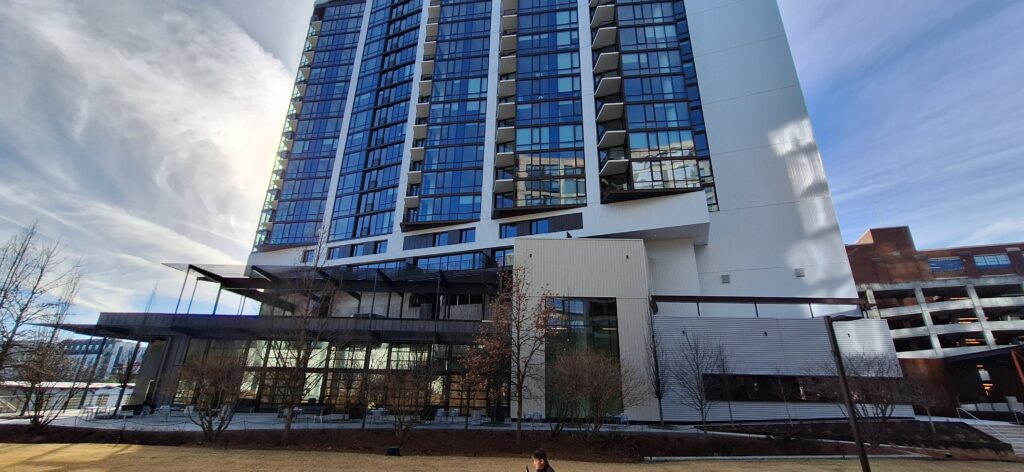
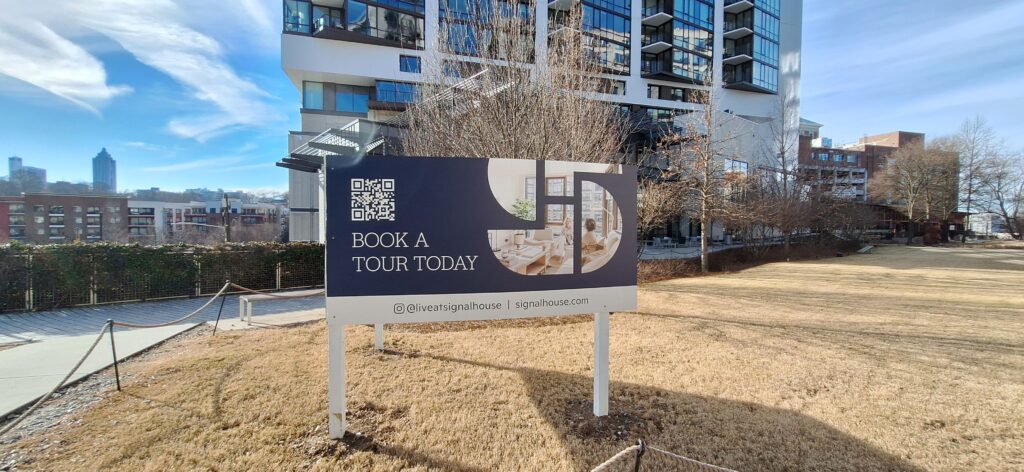
- Signal House: Representing a newer wave of sustainable, wellness-focused architecture on the property, Signal House introduces upscale 1-, 2-, and 3-bedroom residences designed with direct access to the Atlanta BeltLine. Built to net-zero carbon operational standards, these homes feature floor-to-ceiling window walls, Italian cabinetry, quartz countertops, smart home technology, and private balconies alongside dedicated wellness rooms and a pool terrace.
By blending the raw, industrial aesthetic of the 1920s with cutting-edge residential design, these living spaces ensure the historic landmark remains a vibrant, inhabited neighborhood rather than a static museum piece.
Stay tuned as our five-part centennial series continues with Part 3: Retail.
Read Part 1: The Original Building to explore the 1926 grand opening and century-old legacy of Atlanta’s historic Sears distribution center.