


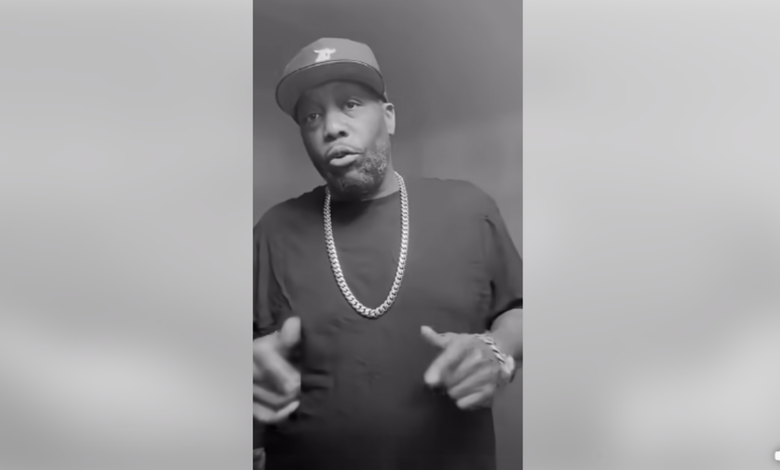
After years of telling voters to “stay home” and critiquing Black women in power, Michael Render’s new call to mobilize is being met with a community that hasn’t forgotten his “stay home” receipts.
In the wake of the late April 2026 Supreme Court ruling that effectively rendered Section 2 of the Voting Rights Act a “dead letter,” a familiar voice has returned to the digital stage. Michael “Killer Mike” Render, the self-appointed architect of “transactional politics,” is now sounding the alarm. But for many in the Black community—particularly those in metro Atlanta—the alarm sounds more like a siren after the house has already burned down.
The Video That Sparked the Fire
At the center of the current storm is this video, where Render attempts to pivot toward mobilization in response to the gutting of federal voting protections:
While Render’s message in the video calls for unity and strategy, the response has been anything but unified. The “bad publicity” isn’t just about his current tone; it’s a visceral reaction to what many see as a manufactured crisis that Render helped facilitate by discouraging the base in previous cycles.
The Viral Receipts of Outrage
The digital backlash has been swift and unforgiving. Critics are using these viral posts to highlight what they see as a dangerous hypocrisy:
- The Standoff: In this video commentary, the tension between Render’s “leverage” philosophy and the immediate need for defensive voting is laid bare.
- The Community Verdict: This viral reel and accompanying discussion showcase a raw, unfiltered response from voters who feel betrayed by his previous dismissals of Black women in power.
The Shadow of Harris and Abrams
The core of the anger is rooted in the 2022 and 2024 cycles. For years, Render utilized his platform to suggest that leaders like Kamala Harris and Stacey Abrams had not “earned” the Black vote, hinting that no Black woman would win his support without a specific “deal.”
Today, the community’s memory is long. The argument being made across social media is that we would not be fighting for the remains of the Voting Rights Act if we had protected the leaders who made voting rights their life’s work.
“You spent years telling us Stacy and Kamala weren’t enough,” one popular comment read. “You told us to ‘make a demand’ or stay home while she was warning us the VRA was being dismantled. Now that the Supreme Court has finished off the VRA, you want to lead the march? You helped pave the road to where we are by telling people to stay home.”
Conclusion: A Narrative Out of Control
Killer Mike has built a brand on being the “Kingmaker” of his own story. However, in May 2026, the community has seized the narrative. As he attempts to mobilize a base he once told to “stay the f—k home,” he is finding that trust, once broken, is much harder to “plot, plan, and strategize” back into existence.
The viral posts aren’t just “bad publicity”—they are a community-wide demand for accountability from a man who wanted to be a power broker, but may have instead helped dismantle the kingdom’s defenses.


One Comment