


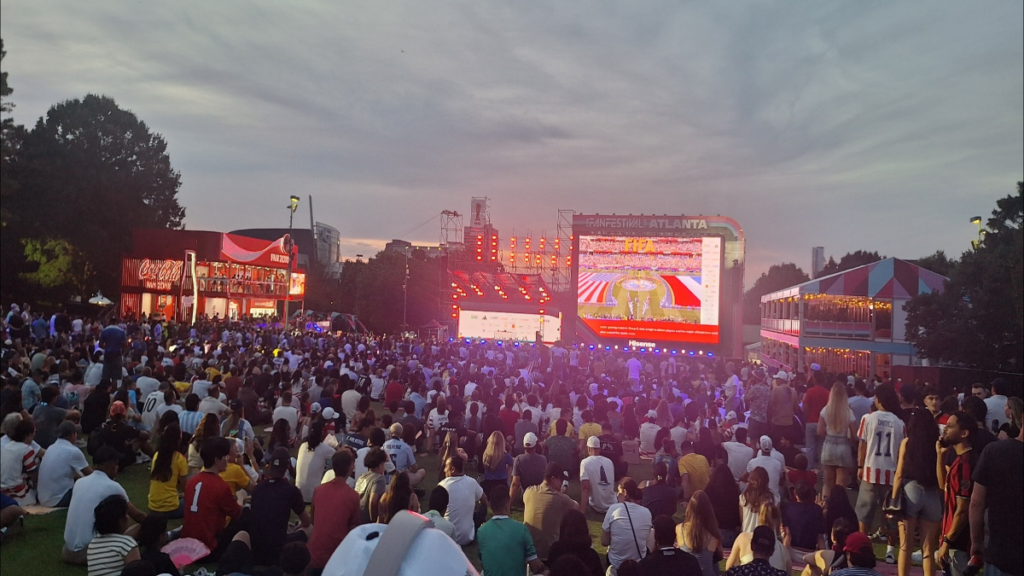
Seamless transit, record fan festival attendance, and marquee matches solidify Atlanta’s spot as the premier location of the global tournament.
ATLANTA – Following 35 thrilling days of international soccer, fan festivals, concerts, and massive civic celebrations, the Metropolitan Atlanta Rapid Transit Authority (MARTA) safely transported 4.7 million rail passengers, anchoring Atlanta’s run as the premier host destination of the 2026 FIFA World Cup.
From the tournament’s kickoff through its marquee semifinal matchup, Atlanta drew over one million combined visitors between stadium matches and downtown activations. Fueled by a central footprint connecting Atlanta Stadium to Centennial Olympic Park, the city earned top marks among North American host cities for fan accessibility, high-stakes matchups, and record-setting festival turnouts.
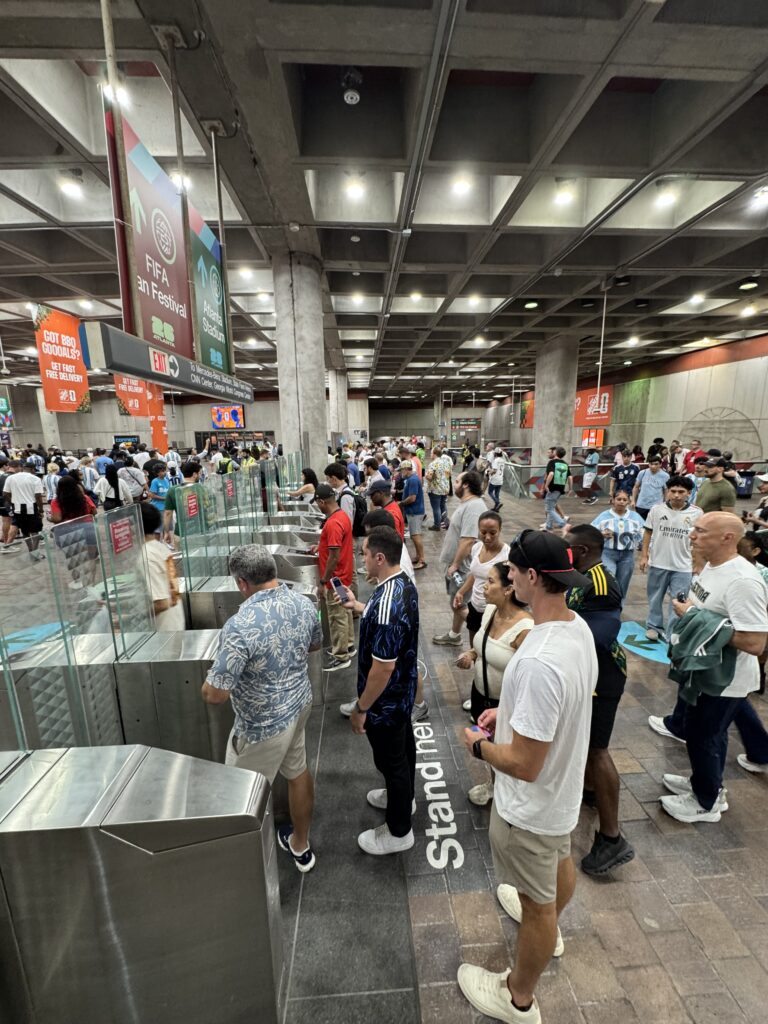
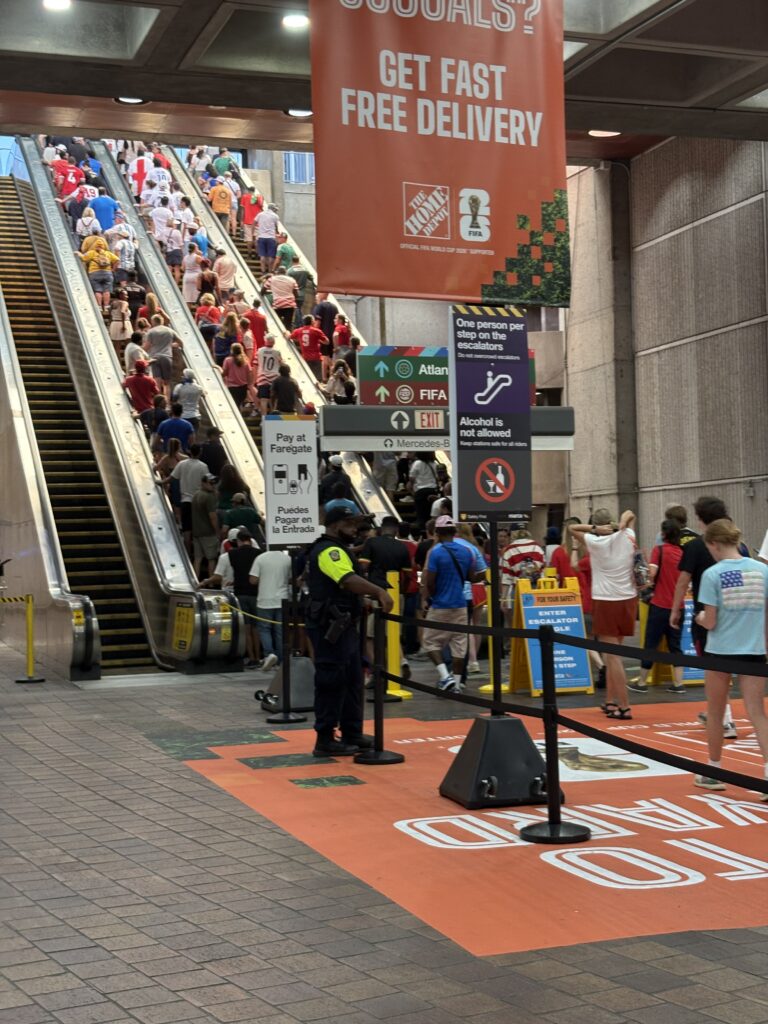
World-Class Soccer Drives Record Transit Demand
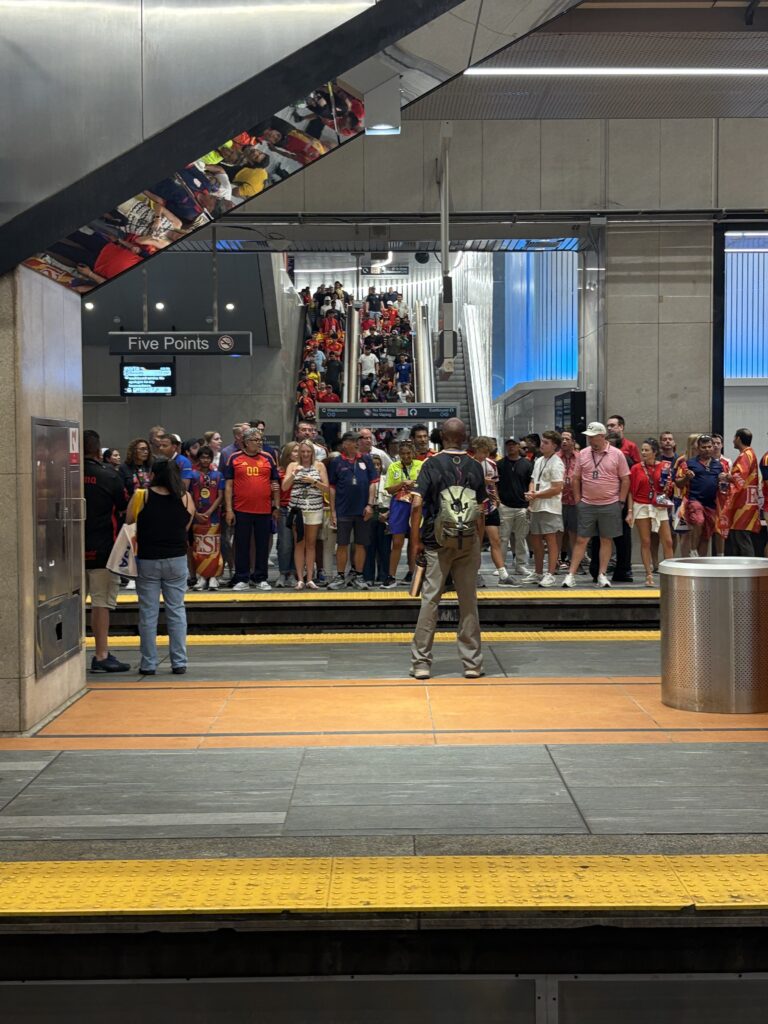
MARTA’s rail network proved to be the lifeblood of the city’s World Cup operations, handling 2 to 3.5 times its typical daily ridership on match days and generating an average of nearly 130,000 extra trips every game day.
- Peak Single-Day Ridership: Wednesday, June 24 (Morocco vs. Haiti) recorded approximately 240,000 rail passenger trips – 2.6 times higher than a standard weekday.
- Runner-Up Peak: Wednesday, July 1 (England vs. Democratic Republic of the Congo) logged 230,000 rail passenger trips, 2.5 times typical weekday levels.
- Match-Day Hubs: Stations closest to major events saw the heaviest surge in traffic, led by SEC District (38%), Peachtree Center (30%), Five Points (18%), and Vine City (14%).
- Fan Festival Surge: Non-match Fan Fest days produced an additional 37,000 trips daily, centered around Peachtree Center (43%) and SEC District (34%).
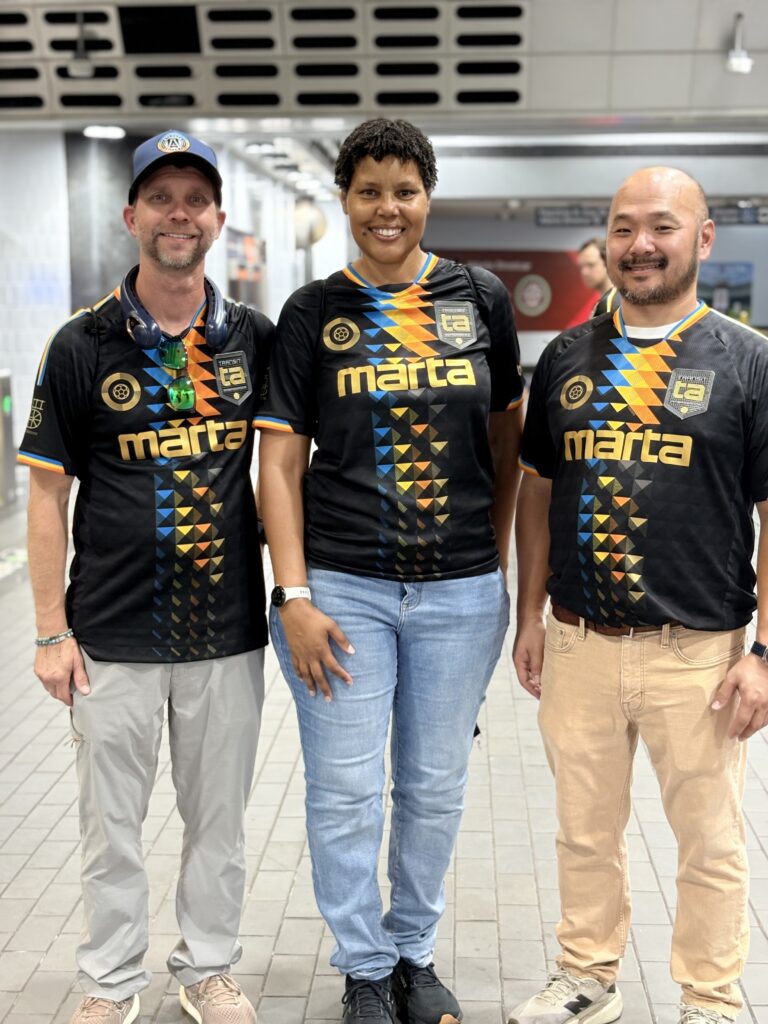
“Team MARTA showed up and showed out during the World Cup tournament, providing frequent service, ensuring the system was secure and riders were safe, and doing it with a welcoming smile and southern hospitality,” said MARTA Interim General Manager and CEO Jonathan Hunt. “I am proud of every one of the almost 5,000 MARTA employees who moved millions of people safely and efficiently while our entire Atlanta metropolitan region was on the world stage.”
How Atlanta Became the Capital of World Cup 2026
Atlanta’s surge to the top of the World Cup host leaderboard was powered by a combination of elite fixture scheduling, fan-centric infrastructure, and seamless transit integration:
- Star-Studded Match Lineup: Atlanta Stadium hosted eight crucial fixtures, attracting 544,516 total match spectators. The venue showcased global powerhouse nations including Spain, England, and defending champions Argentina, highlighted by Lionel Messi’s appearances and a thrilling semifinal showdown between Argentina and England.
- U.S.-Leading Fan Festival Turnout: Centennial Olympic Park drew over 500,000 visitors across 19 days, averaging 27,000 guests per day and cementing Atlanta as the most attended FIFA Fan Festival host site in the United States. Concerts by artists like Ludacris, Killer Mike, CeeLo Green, and Summer Walker turned downtown into a month-long music and cultural hub.
- Fan-First Experience & Walkability: Atlanta Stadium’s climate-controlled roof paired with signature fan-first pricing ($2 sodas, $3 water bottles, $5 cheeseburgers) made it a fan favorite venue. Coupled with direct rail access and walking navigation corridors, supporters could navigate between transit, hotels, and stadium gates within minutes.
Unprecedented Security and Community Support
To manage the massive surge in global travel, MARTA deployed 600 Transit Ambassadors who worked 6,400 assignments alongside 100 multilingual FIFA volunteers assisting international guests. MARTA’s Safety Department also established public health stations to provide water, sunscreen, and first aid across the system.
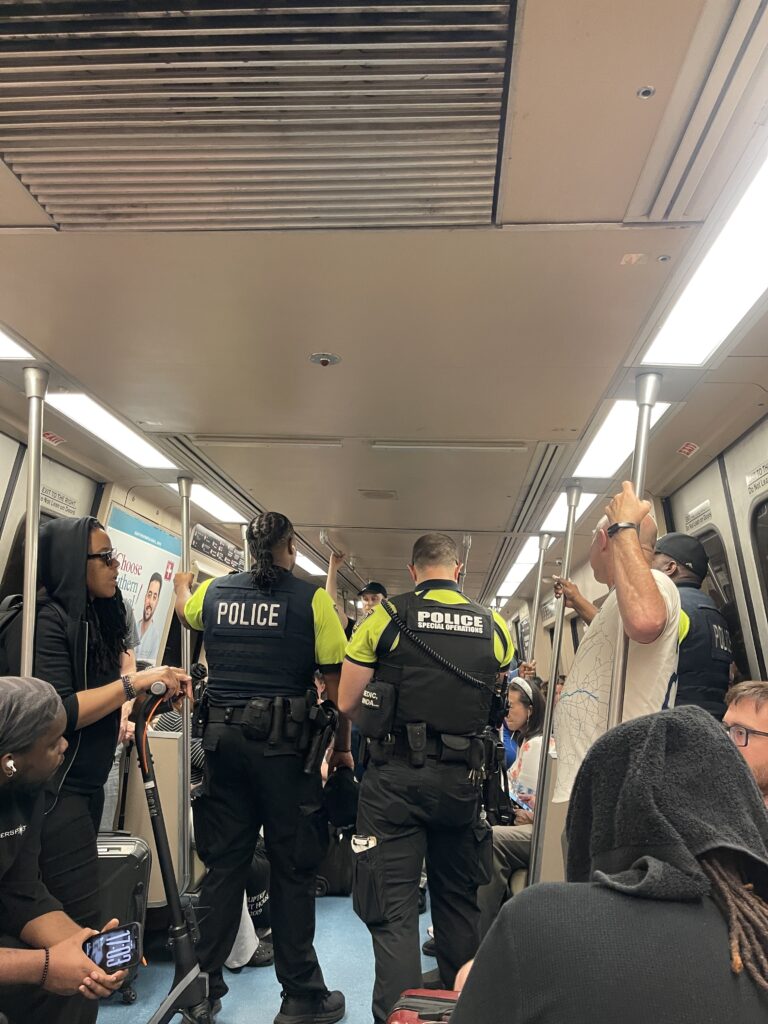
Law enforcement operations operated virtually around the clock for over a month. Supported by local agencies and transit officers from Denver, hundreds of MARTA police worked 10- to 12-hour shifts patrolling trains, platforms, buses, and hubs while operating out of the Emergency Operations Center and Real-Time Crime Center.
The security initiative concluded with zero major crimes reported on the transit system and resulted in the apprehension of three suspects wanted for prior violent offenses.
“Thank you to the law enforcement officers, frontline and safety staff, and transit ambassadors who worked tirelessly to ensure visitors and locals alike got where they needed to go safely and efficiently,” Hunt added. “And a tremendous thank you to everyone who rode MARTA during the World Cup!”