


Part 1: Tracing a 100-Year Legacy from the Blue Ridge to the Beltline
A Four-Part Cross-Bureau Narrative | Georgia Bureau x North Carolina Bureau
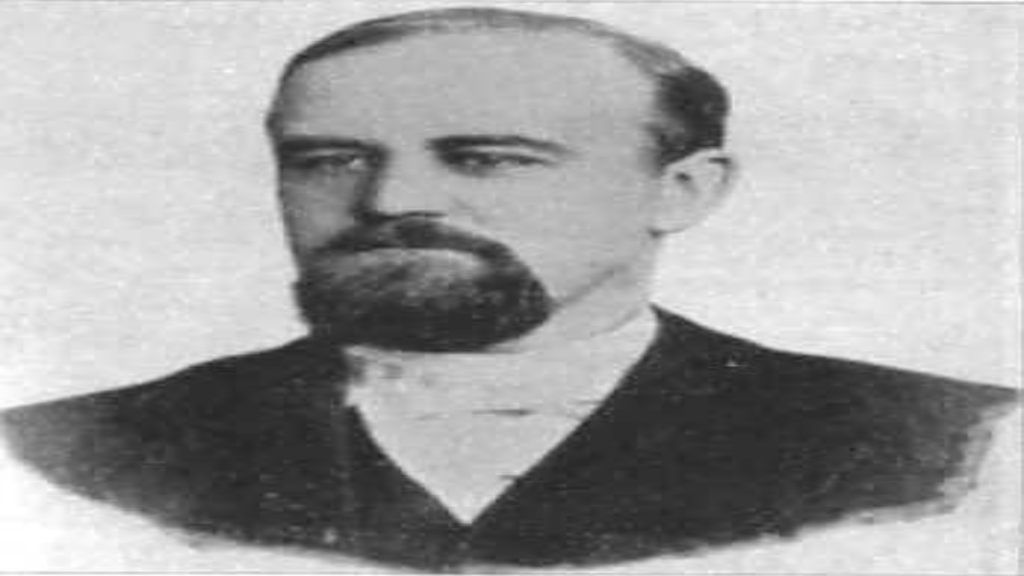
The South at the turn of the 20th century was a place of fever and grit. Malaria and “the chills” were not just medical terms; they were the invisible architects of Southern life, keeping the workforce weak and the economy stagnant. Into this humid, ailing landscape stepped Dr. Edwin Wiley Grove, a man who would turn a bitter cure into a granite empire.
The Bitter Pill of Success
In the 1880s, the only effective treatment for malaria was quinine, a substance so foul-tasting it was nearly impossible to administer to children or the weak of stomach. E.W. Grove, a Tennessee-born pharmacist with a relentless drive for perfection, obsessed over a solution. In 1885, he cracked the code: Grove’s Tasteless Chill Tonic. By suspending the quinine in a thick, lemon-flavored syrup, he revolutionized Southern medicine.
His marketing was as bold as his formula. Using the now-infamous “Pig-Baby” imagery and the promise that his tonic would “make your children as fat as pigs,” Grove built a pharmaceutical juggernaut. By the 1890s, his tonic was a household staple, reportedly outselling Coca-Cola in its early years. Grove didn’t just have a product; he had the capital to reshape the Southern landscape.
The Healing Air of Asheville
Success came at a cost. Grove’s own health was fragile, plagued by chronic bronchitis and the exhaustion of building an empire in St. Louis. Seeking a “clean air” cure, he retreated to the Blue Ridge Mountains of Asheville, North Carolina. It was here that his ambition shifted from medicine to monuments.
Grove didn’t see the mountains as a place to retire; he saw them as a canvas. In 1913, he opened the Grove Park Inn. Built without an architect and constructed by hand using massive granite boulders hauled by mules and wagons, the Inn was a “fortress of health.” It was a world-class masterpiece of the Arts and Crafts movement, designed to feel like it had grown naturally out of the Sunset Mountain hillside.
The Birth of a Brand
While the Inn was the crown jewel, the surrounding Grove Park neighborhood in Asheville was the blueprint. Grove envisioned a “model suburb”—a sanctuary of winding roads, lush greenery, and strict architectural standards that favored stone and timber over the flimsy construction of the era. He wanted to sell a lifestyle of “Mountain Luxury” and “Health-Focused Living.”


The Asheville project was a triumph of urban planning. It proved that the Grove name stood for more than just tonic—it stood for prestige, permanence, and a specific type of Southern elitism.
The Bridge to Georgia
By the early 1920s, Grove’s eyes turned south. Atlanta was booming, a rising metropolis hungry for status. Grove saw an opportunity to export his “Asheville Standard” to the gate-city. He purchased the “Fortified Hills” area in Northwest Atlanta, a site chosen for its high elevation and proximity to the city’s core.
He promised a residential paradise: a “health resort suburb” that would mirror the serenity of his Blue Ridge retreat. He brought his mountain blueprint to the red clay of Georgia, unaware that he was laying the foundation for a century of chaos, resilience, and a community that would eventually be defined by its survival rather than its “tonic.”
As the 1920s roared into Atlanta, Grove’s vision seemed unstoppable. He wasn’t just building a neighborhood; he was attempting to transplant the very soul of Asheville into the Georgia soil. The winding roads were laid, the first stone foundations were poured, and the name “Grove Park” was officially etched into the city’s map. For a brief moment in time, the “Fortified Hills” of Atlanta were destined to be the mirror image of a world-class resort.
But history is rarely a straight line. While the blueprint remained the same, the environment around it was shifting. The mountain air of the Blue Ridge was static and eternal, but the red clay of Atlanta was volatile—subject to the rapid industrialization, social shifts, and economic storms of a city on the move. Dr. E.W. Grove had provided the luxury, the capital, and the name, but he could not control the century that followed.


The Granite Blueprint in the Red Clay
Wednesday morning, the narrative continues. In Part 2, we follow the “Gilded Migration” as Atlanta’s elite began to flee the city’s industrial core for Grove’s promised sanctuary. We’ll explore the early peak of the neighborhood’s prestige—when it was the most sought-after address on the Westside—and identify the exact moment the “Asheville Dream” began to collide with the complex realities of Atlanta’s urban growth.
Before the “Paradox” began, there was a period of perfection. Join us as we step back into the 1920s to witness the height of the Granite Blueprint.
Expanding the Grid: New Bureau Coverage Coming Soon
The narrative above is a glimpse into the blueprint of our expansion. As we prepare to plant flags in North Carolina we are bringing our signature focus on the lived experiences of everyday residents to these new regions.
As an independent news/media platform, our mission is to provide a dedicated voice for the local narratives that truly shares the stories of community—stories that often get lost in the shuffle of the 24-hour news cycle. From Atlanta’s Beltline to the Bay Area’s Coastline and every stop in between, the voice of the communities that we represent are growing stronger.
Welcome to the next chapter of independent journalism.