

MARTA Shutdown Strands Atlanta Workers Despite Clear Roads
Winter storm suspends buses even as most DeKalb and Fulton roadways passable, igniting fury over lost wages and broken commutes

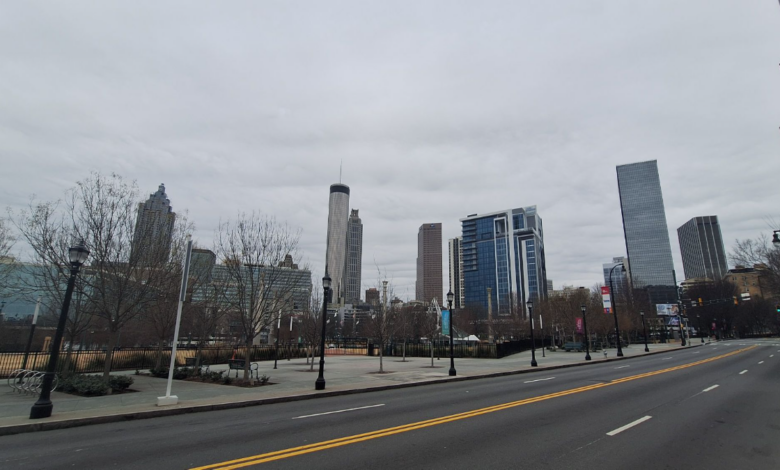
Winter storm suspends buses even as most DeKalb and Fulton roadways passable, igniting fury over lost wages and broken commutes
MARTA’s sudden suspension of most bus and reduced rail service during the winter storm has left thousands of metro Atlanta riders stranded, angry, and worried about how they will keep their jobs and pay their bills. For many low-wage workers and people without cars, the shutdown did not feel like a weather plan—it felt like being cut off from their way of life, even as county officials reported most roadways in DeKalb and Fulton counties passable without dangerous conditions.
Winter Storm Grips Atlanta
Freezing rain and ice moved into metro Atlanta over the weekend, triggering MARTA’s inclement weather plan and slashing transit down to “lifeline” bus routes and infrequent trains. Rail service shifted to 20-minute headways while almost all bus routes were suspended, with only a handful serving major hospitals and emergency corridors like routes 6, 8, 19, 40, 107, 110, 111, 123, 185, and 196 (though 185 was later pulled).
On paper, the agency framed the cuts as a safety measure, warning that service might be reduced further or fully suspended if roads and tracks iced over. In practice, that translated into closed bus stops, shuttered routes, and platforms full of riders staring at blank screens—despite DeKalb County confirming on Sunday evening, January 25 at 7:14 p.m., that only “a few spots” on county roadways posed issues, with most roads passable.
Road Conditions vs. Service Cuts
DeKalb officials noted the vast majority of county roadways lacked dangerous conditions preventing bus service at that time, across hundreds of miles. Fulton County saw treated main roads remain accessible, with GDOT crews applying millions of gallons of brine and tons of salt to interstates and state routes in MARTA’s service area, prioritizing hospital access. Yet MARTA held firm on Monday, January 26, suspending all but lifeline buses even on these clearer paths.
Refreezing overnight created black ice risks on bridges and untreated surfaces by Monday morning, but riders questioned why passable routes weren’t restored sooner, leaving essential workers in clear-road areas unable to reach jobs at warehouses, restaurants, hospitals, and retail.
Riders Left Stranded
By Sunday, MARTA confirmed only lifeline routes would run while every other bus line shut down, stranding entire neighborhoods without public transportation. Riders relying on those buses to clock in suddenly had no way to earn a paycheck or explain absences to employers.
Some scraped money for rideshares at surge prices that ate a day’s wages just to avoid getting fired. Others stood in the cold at empty stops, refreshing phones for late updates. For paycheck-to-paycheck families, one missed shift risks rent shortfalls, shut-off utilities, or skipped groceries.
Anger Erupts Online
As the shutdown dragged into Monday, fury spilled onto social media, with riders flooding comments about being stranded and ignored. Posters highlighted those hit hardest: low-pay roles like grocery clerks, janitors, and nursing assistants without backup options.
Riders demanded better contingency plans—shuttles, employer coordination, or support for critical workers—especially on roads county officials deemed safe.
Fragile Lifeline Exposed
The storm exposed how fragile Atlanta’s transit is for those depending on it most, cutting access not just to work but pharmacies, childcare, and appointments—even on passable roads. Behind every suspended route sits a worker tallying lost hours and a family stretching a tight budget. For these riders, the core issue remains: will the system they rely on actually deliver when needed most?



One Comment